PRP for Knee Osteoarthritis in Ottawa
Platelet-Rich Plasma (PRP) for Knee Osteoarthritis
Platelet-rich plasma (PRP) is a biologic injection therapy that may be considered for select patients with knee osteoarthritis. PRP is created from a patient's own blood and contains a concentrated source of platelets and growth factors that may help modulate inflammation and improve symptoms in some individuals.
PRP is one of several injection options available for knee osteoarthritis. Treatment recommendations are individualized following a medical assessment and review of imaging.
What is knee osteoarthritis?
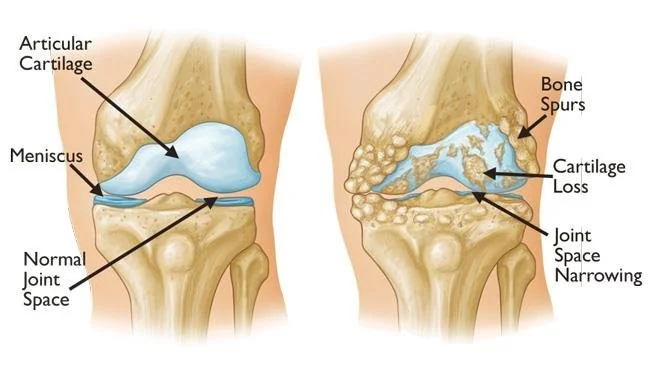
Knee osteoarthritis is a common condition involving gradual degeneration of the cartilage within the knee joint. As cartilage wears over time, patients may experience:
Knee pain
Stiffness, particularly after periods of rest
Swelling
Reduced walking tolerance
Difficulty with stairs
Loss of function
Symptoms and imaging findings do not always correlate, which is why an in-person assessment is important before deciding on treatment.
When may PRP be considered?
PRP may be considered for patients with knee osteoarthritis who:
Continue to have pain despite physiotherapy or exercise therapy
Have not achieved adequate improvement with activity modification or medications
Wish to explore non-surgical treatment options
Have mild to moderate osteoarthritis
Those who have failed other injection therapies
For those interested in slowing down the progression of arthritis
Are appropriate candidates following medical assessment
PRP is not appropriate for every patient, and treatment decisions are individualized based on symptoms, imaging findings, overall health, and treatment goals
What does the evidence suggest?
Research suggests that PRP may provide symptom improvement for some patients with knee osteoarthritis, particularly those with mild to moderate disease.
When effective, improvement is typically gradual and may continue to develop over several weeks to months. Clinical studies suggest symptom relief may last approximately 6–12 months in some patients, although responses vary considerably.
PRP does not regenerate cartilage or reverse osteoarthritis.
What can I expect after the injection?
Most patients experience temporary soreness for several days following treatment.
Improvement is usually gradual rather than immediate. A structured rehabilitation program and continued exercise remain important components of managing knee osteoarthritis.
For more information about recovery after PRP, please reference the video below.
Learn More About PRP
For information about:
How PRP is prepared
How the procedure is performed
Safety and potential risks
General recovery following PRP
Please visit our comprehensive guide to Platelet-Rich Plasma (PRP) Injections.
Frequently Asked Questions
Is PRP covered by OHIP?
No. PRP is not currently covered by OHIP.
How many injections will I need?
The number of injections depends on the severity of your symptoms, your response to treatment, and your individual clinical circumstances. This will be discussed during your consultation. Common protocol is to start with a single injection and reassess the response to determine if additional injections will provide additive benefits.
Is PRP better than cortisone?
PRP and corticosteroid injections work differently and may be appropriate for different clinical situations. Your physician will discuss the most appropriate option based on your diagnosis and treatment goals.
Is PRP better than hyaluronic acid (HA)?
PRP and HA injections work differently. Both are orthobiologic treatments that are safe to the joint and cartilage. HA and may be appropriate for different clinical situations. Your physician will discuss the most appropriate option based on your diagnosis and treatment goals.
Will PRP cure my arthritis?
No. PRP does not cure or reverse osteoarthritis. The goal of treatment is to improve pain and function in appropriately selected patients.
Book a Consultation
Patients interested in PRP for knee osteoarthritis require an in-person medical assessment to determine whether treatment may be appropriate. This allows for review of your symptoms, imaging findings, medical history, previous treatments, and overall clinical context.
Important: Treatment recommendations are individualized following clinical assessment, review of imaging, and discussion of the available evidence.
To book a consultation:
Contact the Clinic Directly to book an appointment with Dr. Sonam Maghera (Preferred)
Email: prp@sonammd.com
Please include your full name, date of birth, phone number, a brief summary of your symptoms, and any recent imaging.
Please note:
Email is not a secure form of communication. Please do not include sensitive personal health information.
An inquiry does not guarantee eligibility for PRP treatment. Recommendations are made following medical assessment and review of imaging.